


OREM PLAN Insights
What Does In-Clinic Ad Design Involve for a Clinic in Korea?
In-clinic ad design in Korea covers banners, leaflets and booklets used inside the clinic; here is what the work involves and how cost is decided.
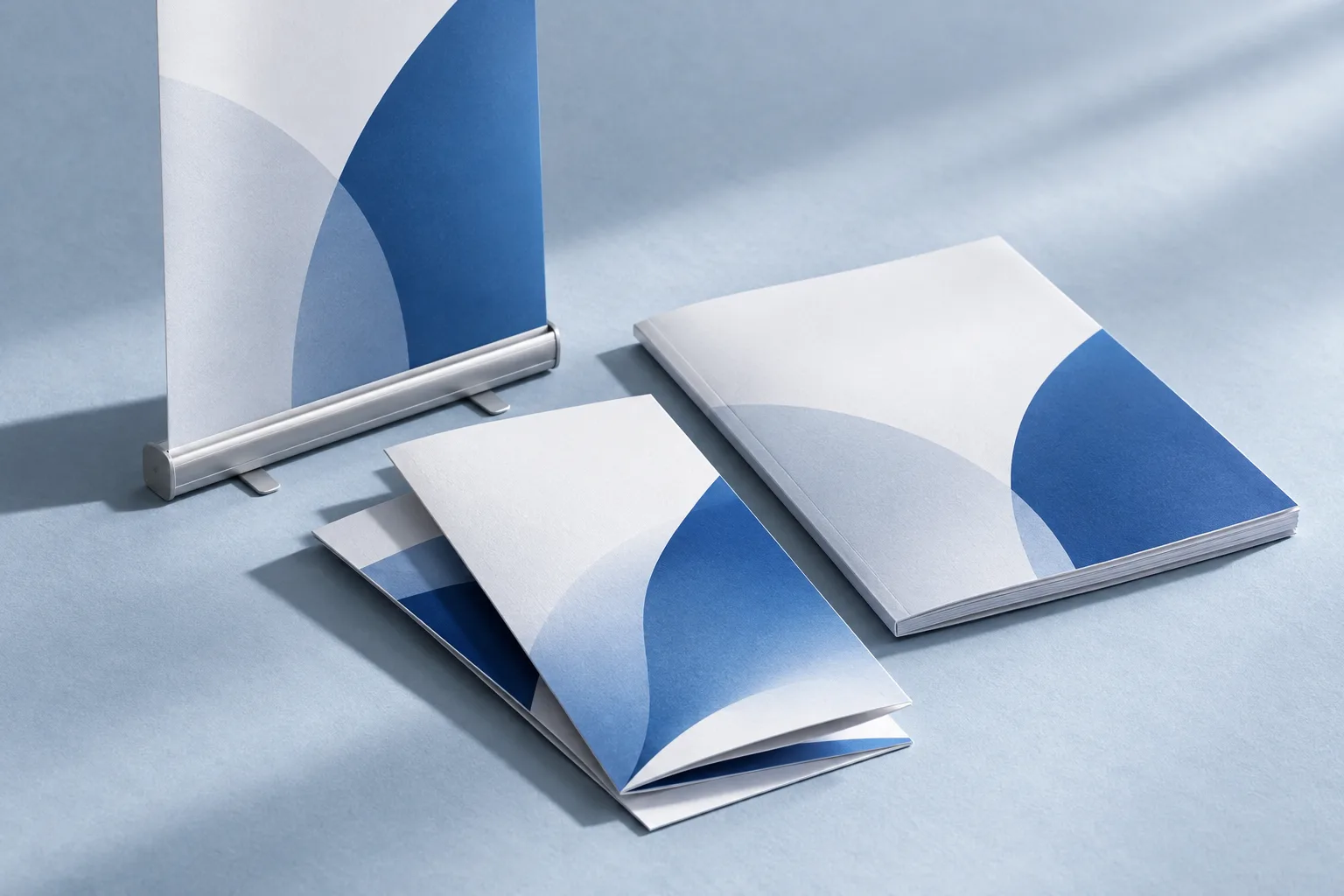
In-clinic ad design for a Korean clinic means designing the printed and displayed materials that patients see inside your space, such as banners, leaflets and booklets, so that they match your brand and stay within medical advertising rules. OREM is a hospital-only marketing company based in Bucheon, Gyeonggi, and in-clinic ad design is one of the services it lists alongside hospital marketing, branding, website production and clinic opening consulting. This article explains what the work covers, where it ends, and how its cost is decided. If you also need a website that carries the same visual identity, see Clinic Website Production & Portfolio.
What counts as in-clinic ad design?
In-clinic ad design is the planning and layout of promotional materials that live inside the clinic: banners, leaflets, booklets and similar printed pieces. These are the items a patient reads while waiting, during consultation or on the way out. OREM lists in-clinic promotional materials (banners, leaflets and booklets) as part of its extended services.
It helps to think of these pieces as a quiet conversation with a patient who is already in your building. Unlike search ads, they do not need to win a click. Their job is to explain a treatment clearly, reinforce who you are, and make the next question easier to ask.
- Banners and standing displays for reception areas, hallways and waiting rooms.
- Leaflets that explain a single treatment or a clinic introduction in a form patients can take home.
- Booklets that gather more detail, such as treatment flow or before-and-after photo pages where rules allow them.
Why does in-clinic design matter if patients are already inside?
In-clinic design matters because the waiting room is where a patient forms an impression and decides how comfortable they feel asking about additional treatments. Consistent materials also make the clinic look organized and trustworthy. The effect on any specific number of patients cannot be promised, and it depends on the clinic and its materials.
A practical way to see it is through consistency. A clinic might have a polished website, a carefully written blog and a clean interior, yet hand out a leaflet that uses a different logo, different colors and a different tone. Patients may not articulate the mismatch, but it can weaken the sense of a single, coherent clinic. In-clinic design is where online branding and the physical space are brought into line.
OREM also lists hospital branding among its areas of work, so design decisions for printed pieces can be discussed together with the wider brand direction rather than treated as isolated artwork.
What steps does the design work usually follow?
The work generally moves from deciding what the piece is for, to drafting text and layout, to checking the wording against medical advertising rules, and finally to preparing files for printing. The exact steps and timing vary by project, so any schedule should be confirmed with the provider rather than assumed.
- Purpose and placement. Decide where the piece will be seen and what a patient should understand after reading it. A reception banner and a take-home booklet need very different amounts of text.
- Content outline. Gather the treatment descriptions, clinic philosophy and practical information. Material should reflect your clinic's real strengths instead of generic copy.
- Layout and visual direction. Choose typography, color, imagery and hierarchy so that the piece is readable at a glance and matches your brand.
- Advertising-rule check. Review headlines and claims before anything is printed.
- Production files and revisions. Prepare print-ready files in the correct dimensions, then revise based on your feedback.
OREM describes working on a one-item-at-a-time basis rather than bundling everything into a large package, so a clinic can, for example, commission only a leaflet and add a banner later if it makes sense.
Do Korean medical advertising rules apply to materials inside the clinic?
Yes, printed and displayed promotional materials can fall under Korean medical advertising rules even when they are only shown inside the clinic, so the wording should be checked before printing. The usual cautions concern the kinds of expressions that are generally restricted, such as guarantees of treatment results, superlative claims, and misleading comparisons. A designer should never use them to make a piece look more persuasive.
Before-and-after photos, patient testimonials and price displays are areas where clinics most often need care. Because rules and their interpretation can change, the clinic remains responsible for confirming that final materials are compliant. OREM states that it designs marketing with the medical advertising law in mind, and in practice this means flagging risky phrases during drafting instead of after the materials are printed.
How is the cost of in-clinic ad design decided?
The cost of in-clinic ad design is decided by the clinic's situation and the specific pieces requested, so an exact quote is given after a consultation rather than as a fixed list price. Typical factors include how many pieces are needed, how much text and photography each one holds, how many revision rounds are expected, and whether printing is handled separately.
OREM's stated approach is that a clinic can select only the products it needs instead of buying a single large bundle, and that quotes are provided by a manager after a consultation. No amounts are given in advance. When comparing proposals, it is useful to ask exactly which pieces, revisions and file deliverables are included so that scopes can be compared fairly.
What are the limits of in-clinic ad design?
In-clinic ad design supports a patient who is already in the clinic; it does not bring new people through the door by itself. Search channels, maps listings, a website or video are what usually reach people before they visit, and design cannot promise a particular number of inquiries or visits.
For that reason, a sensible plan treats printed materials as one part of a wider picture. Some clinics pair them with promotional video shown on in-clinic screens; Video Production & YouTube explains how that side of the work is organized. If you are weighing which materials to start with, a short conversation with a manager about your department, your location and your current materials is the most practical next step.